How to finance a manufactured home: mortgages, chattel loans and FHA
Whether you own the land decides most of your loan options. Here's how manufactured home mortgages, chattel loans and FHA Title I loans compare.
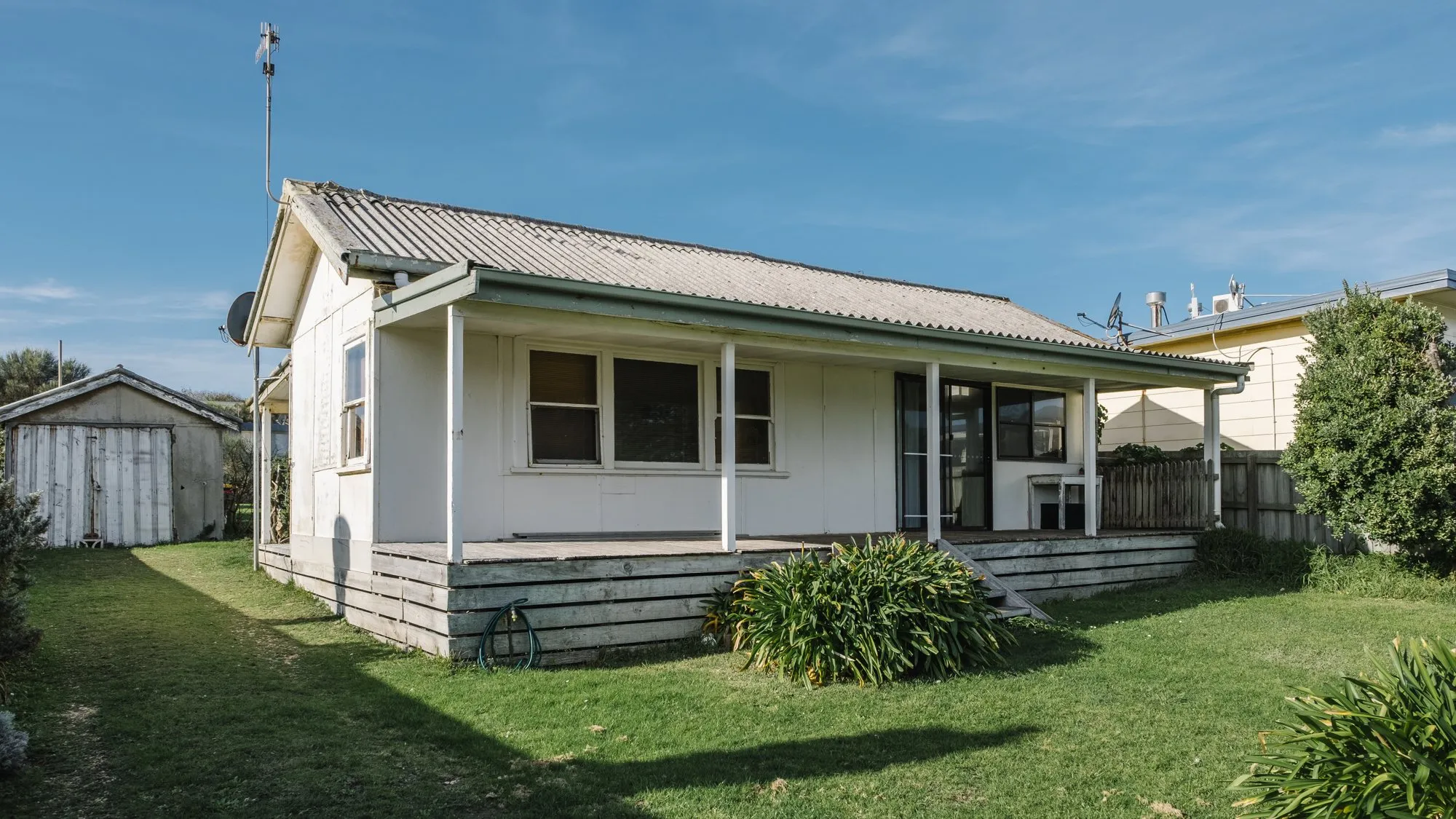
You can finance a manufactured home with a mortgage, a chattel loan or an FHA Title I loan. Which ones you can use depends mostly on two things: whether you own the land under the home, and whether the home is legally treated as real estate or as personal property.
If you own the land and the home sits on a permanent foundation and is titled as real property, you can usually get a regular mortgage. If the home sits on a rented lot, such as in a manufactured home community, you’ll usually need a chattel loan or an FHA Title I loan. That choice affects your down payment, interest rate and how long you have to repay.
Key takeaways
- Owning the land and titling the home as real property opens the door to conventional, FHA, VA and USDA mortgages.
- A chattel loan is secured by the home alone, not the land. About 42% of manufactured home purchase loans are chattel loans, and they generally carry higher interest rates and fewer consumer protections than mortgages.
- FHA Title I loans can finance a home on a leased lot, with terms of up to 20 years for a single-section home.
- Conventional mortgages through Fannie Mae can require as little as 3% to 5% down, but the home must be titled as real property.
What counts as a manufactured home
A manufactured home is built in a factory to the federal HUD construction code and moved to its site in one or more sections. Homes built to this code after June 15, 1976 carry a red HUD certification label on the outside of each section and a data plate inside. Older factory-built homes are often called mobile homes, and most mortgage programs won’t finance them.
Modular homes are different. They’re also built in a factory, but to the same state and local building codes as site-built homes, so lenders usually treat them like any other house.
Why owning the land matters
Real property vs. personal property
Whether you own the land shapes how the home is titled. When you own the land and the home is permanently attached to it, most states let you convert the home’s title to real property, so the home and land are treated as one piece of real estate. That’s what lenders need for a mortgage.
When the home sits on land you rent, it’s usually titled like a vehicle, as personal property. Lenders call this a chattel. You can still finance it, but with a different kind of loan.
How many buyers use each type of loan
The Consumer Financial Protection Bureau (CFPB) found that around 42% of manufactured home purchase loans are chattel loans. It also found that less than 30% of manufactured home loan applications were approved, compared with more than 70% for site-built homes, and that very few chattel borrowers later refinanced. Those figures come from 2019 mortgage data the CFPB analyzed in a 2021 report.
Your main loan options
Mortgages for a home on land you own
If the home is titled as real property, you can apply for the same kinds of mortgages used for site-built homes, as long as the home meets each program’s rules:
- Conventional loans. Fannie Mae buys mortgages on manufactured homes titled as real property. Its standard program allows a down payment as low as 5%. Its MH Advantage program, for homes built with features similar to site-built homes, allows as little as 3% down. As with other conventional loans, you’ll usually pay private mortgage insurance if you put down less than 20%.
- FHA loans (Title II). To qualify, the home must have at least 400 square feet of floor area, be built after June 15, 1976 to the federal code, sit on a permanent foundation that meets HUD’s guidelines and be classified as real estate. For credit scores, down payments and limits, see our guide to FHA loan requirements.
- VA and USDA loans. Eligible veterans and buyers in eligible rural areas may be able to use these programs for a manufactured home on a permanent foundation. Rules on the home’s age, foundation and setup vary, so ask lenders that make these loans.
A mortgage can cover the home and the land together. Some lenders also offer construction-to-permanent loans that pay for the land, the home and its installation, then turn into a regular mortgage once the work is done.
Chattel loans for a home on a rented lot
A chattel loan is a personal property loan secured by the home but not the land. It’s the most common way to finance a home in a manufactured home community or on other land you don’t own.
Because there’s no land or real estate title involved, a chattel loan can involve less paperwork than a mortgage. The CFPB has found that chattel loans generally come with higher interest rates and fewer consumer protections, and a shorter repayment period can make the monthly payment higher too. Some owners who could get a mortgage pick a chattel loan anyway so their land isn’t at risk if they fall behind.
FHA Title I loans
FHA’s Title I program insures loans for a manufactured home, a lot, or a home and lot together. Unlike FHA’s main mortgage program, Title I allows the home to be titled as personal property and placed on a leased lot. To qualify, you must meet FHA’s credit standards and live in the home as your main residence.
If the lot is leased, HUD requires the first lease term to be at least three years, with at least 180 days’ written notice if the lease will be ended. That protects you if the landowner sells the land or closes the community.
HUD’s published Title I limits are:
| Loan type | Maximum loan | Maximum term |
|---|---|---|
| Single-section home only | $105,532 | 20 years |
| Multi-section home only | $193,719 | 20 years |
| Single-section home and lot | $148,909 | 20 years |
| Multi-section home and lot | $237,096 | 25 years |
| Lot only | $43,377 | 15 years |
Each maximum term also includes an extra 32 days. Not every lender offers Title I loans, so you may need to ask several, or check HUD’s list of approved Title I lenders.
What financing a manufactured home costs
Rates, terms and fees
Your rate depends on the loan type, your credit, your down payment and the property. Mortgages on homes titled as real estate usually have lower rates and longer terms than chattel loans. Closing costs can include an appraisal, title work, recording fees and, for some loans, upfront mortgage insurance.
Compare offers by the annual percentage rate (APR), not just the interest rate. The APR includes many of the fees, so it shows more of the loan’s real cost.
An example of how the rate changes the cost
Suppose you borrow $90,000 for 20 years. These rates are only for illustration:
- At 8.5%, the monthly payment for principal and interest is about $781, and you’d pay about $97,450 in interest over the life of the loan.
- At 6.5%, the payment is about $671, with about $71,040 in total interest.
That 2-point difference costs about $110 a month and more than $26,000 over 20 years. Taxes, insurance and any lot rent come on top of these payments.
Costs beyond the loan
Your monthly housing bill may include more than the loan payment:
- Lot rent if you lease the land, which can go up over time.
- Property taxes if the home is real property, or a personal property tax in some states if it isn’t.
- Insurance on the home, which your lender will require.
- Setup costs for a new home, such as delivery, installation, foundation work, utility hookups and skirting. Ask whether the loan covers them.
Will the home qualify?
Lenders look at both you and the home. For the home, expect them to check:
- The HUD label and data plate. These show the home was built to the federal code after June 15, 1976. If labels are missing, HUD can issue a letter verifying them, but that takes time.
- The foundation. Mortgage programs usually require a permanent foundation that meets their guidelines, and some need an engineer’s certification.
- The title. For a mortgage, the home must be titled as real property under your state’s rules. For a chattel loan, it stays on a personal property title.
- Whether it has been moved. Many programs won’t finance a home that has been moved from its first installation site.
- The lease. If you rent the lot, lenders will review the lease terms and length.
How to shop for a loan
- Confirm the home’s status. Check the HUD label, data plate, title and foundation before you apply, so you know which loans are possible.
- Get quotes from more than one lender. Include lenders that specialize in manufactured homes, local banks and credit unions. Ask each which loan types they offer for your situation.
- Compare Loan Estimates. For a mortgage, each lender must give you a Loan Estimate within three business days of your application. Compare the rate, APR, fees, cash due at closing and monthly payment.
- Read the lot lease, if there is one. Check how long it runs, how rent increases work and what happens if the community is sold.
- Review everything before closing. Make sure the final terms match what you were promised.
Frequently asked questions
Can you get a mortgage on a manufactured home?
Yes, if the home is permanently attached to land and titled as real property. Conventional, FHA, VA and USDA mortgages can all be used if the home meets each program’s rules on construction date, size, foundation and title.
Can you finance a manufactured home in a park?
Yes. A home in a manufactured home community is usually financed with a chattel loan or an FHA Title I loan, since you don’t own the land. For a Title I loan, the lot lease must meet HUD’s rules, including a first term of at least three years.
What is a chattel loan?
A chattel loan is a personal property loan secured by the home but not the land under it. It works more like a car loan than a mortgage. The CFPB has found that chattel loans generally have higher interest rates and fewer consumer protections than mortgages.
How long can you finance a manufactured home?
It depends on the loan. A mortgage on a home titled as real estate can run up to 30 years. FHA Title I loans run up to 20 years for a single-section home, or 25 years for a multi-section home and lot. Chattel loan terms are set by the lender and are often shorter than a mortgage.
How much do you need to put down on a manufactured home?
It depends on the program. Fannie Mae’s conventional programs for homes titled as real property allow as little as 3% to 5% down. FHA mortgages require at least 3.5% down for borrowers who qualify. Chattel lenders set their own down payment rules, and they’re often higher.
Can you finance an older mobile home?
It’s harder. Most mortgage programs, including FHA, only finance homes built after June 15, 1976 to the federal HUD code. For an older home, your options may be limited to a personal loan or a chattel lender willing to finance it.